After 1959, the name Safari was applied to Pontiac's full-size four-door station wagon vehicles in its Catalina, Executive and Bonneville ranges.

File:1980s Pontiac Safari.jpg
The 1955 Safari was built using shared body components with the Chevrolet Nomad station wagon, which would also allow both divisions to share in the tooling costs for the special bodied wagons. The Safari was fitted with Pontiac's unique front-end bumper/grille assembly and sheet metal and rear tail light design, both created by Pontiac stylist Paul Gillan. Gillan received a United States patent for the bumper/grille design.

Safari, exact year uncertain
The Safari featured sport-coupe front doors, extra chrome adorning the tailgate and interior, and sliding rear-seat windows. Like the Nomad, the "B" pillar of the station wagon was raked forward, a flourish not shared with other GM two-door station wagons from that era.

1959 Pontiac Safari Wagon and

Pontiac Safari #3

Safari (Tri Power)

pontiac safari picture
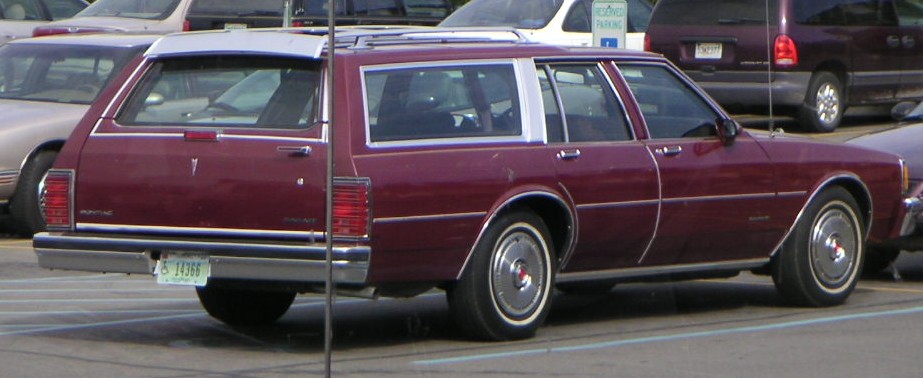
File:1980s Pontiac Safari.jpg
The 1955 Safari was built using shared body components with the Chevrolet Nomad station wagon, which would also allow both divisions to share in the tooling costs for the special bodied wagons. The Safari was fitted with Pontiac's unique front-end bumper/grille assembly and sheet metal and rear tail light design, both created by Pontiac stylist Paul Gillan. Gillan received a United States patent for the bumper/grille design.

Safari, exact year uncertain
The Safari featured sport-coupe front doors, extra chrome adorning the tailgate and interior, and sliding rear-seat windows. Like the Nomad, the "B" pillar of the station wagon was raked forward, a flourish not shared with other GM two-door station wagons from that era.

1959 Pontiac Safari Wagon and

Pontiac Safari #3

Safari (Tri Power)

pontiac safari picture


No comments:
Post a Comment